
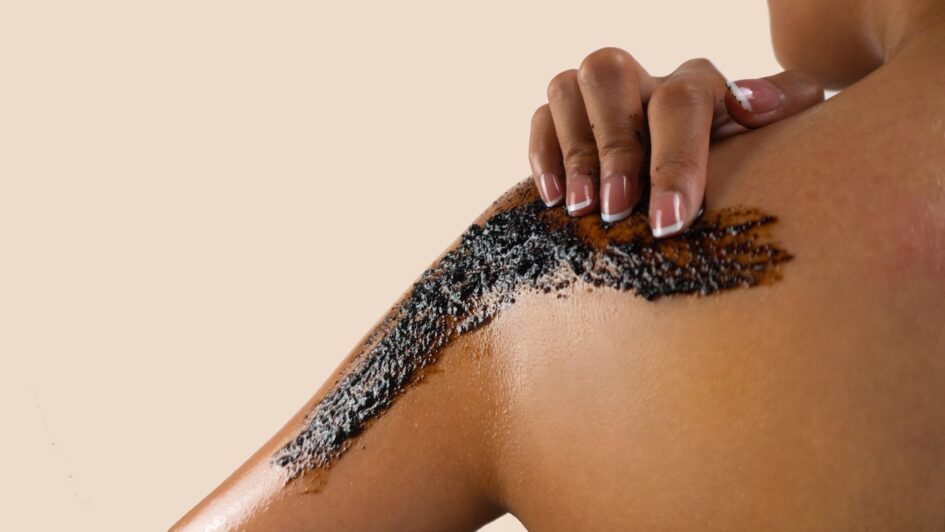
Harmonizing Your Body Care Ritual with the Changing Air
Skin texture is not fixed throughout the year. In warm, humid summer weather, perspiration and increased surface oil can leave the body feeling congested, glossy or less smooth, while winter air often draws moisture away from the skin and makes the surface feel tight, rough or visibly flaky. Central heating can intensify that effect indoors, even when the weather outside is not especially severe. A polished body-care ritual therefore benefits from responding to the atmosphere rather than repeating the same exfoliant on autopilot.
The outermost layer of the skin, known as the stratum corneum, relies on water, natural moisturising factors and organised barrier lipids to remain flexible, a principle explored in this Authoritative Source. Ambient humidity influences how readily this layer bends, sheds and recovers. When the air is damp, a carefully used mineral polish can feel refreshing; when the air is moisture-depleted, vigorous scrubbing may remove more than intended. Seasonal exfoliation is not about chasing perfection. It is about choosing the gentlest effective route to smoother skin, then restoring comfort with thoughtful nourishment.
Understanding Ambient Moisture and the Stratum Corneum
Relative humidity affects the skin”s water balance and the behaviour of its barrier. In more humid conditions, corneocytes, the flattened cells that make up the stratum corneum, generally retain greater flexibility. Natural moisturising factors within these cells help bind water, while cholesterol, ceramides and fatty acids between the cells help reduce water loss. When humidity falls, the skin can become less pliable, and the orderly shedding of surface cells may feel uneven. The result is often a rougher texture, increased sensitivity and a stronger temptation to scrub.
That temptation deserves restraint. A low dew point does not mean that dead skin needs to be aggressively removed. It may instead indicate that the barrier needs water and lipids before it can tolerate exfoliation comfortably, particularly when winter bathing habits add further thermal and aqueous stress. The physiological effects of washing habits on stratum corneum integrity can be explored through clinical research on water exposure and temperature changes in skin barrier function. Anyone with eczema, persistent itching, cracking, inflammation or a known barrier disorder should prioritise medical guidance and moisturising care over cosmetic exfoliation. Atopic eczema, for example, can flare in response to dryness, irritants, heat and stress, so a rough patch should never automatically be treated as a polishing opportunity.
Summer High Humidity and Mineral Salt Polishes
During balmy months, mineral salts can provide the invigorating sensation many people associate with a spa body polish. Sea salt and Dead Sea salt crystals offer physical exfoliation, while their mineral content contributes to the sensory appeal of a treatment that feels cleansing and revitalising. Humid weather may also coincide with more sweating, sunscreen use and surface oil, particularly across the back, shoulders, chest and legs. On resilient, non-irritated areas, a salt polish can help lift loosened surface cells and leave the skin feeling fresh rather than weighed down.
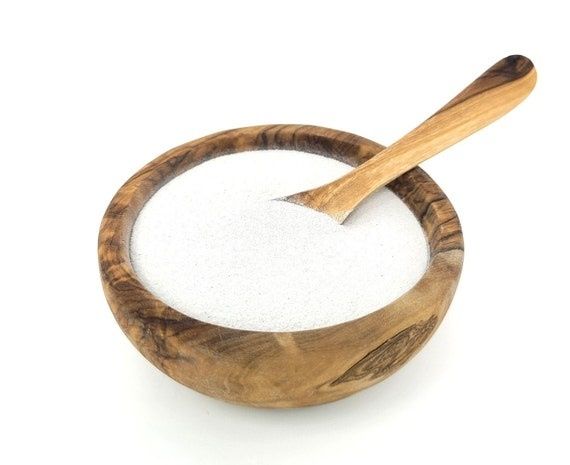
Claims that salt “detoxifies” the body should be understood carefully. The skin is not a primary detoxification organ in the way the liver and kidneys are, and a scrub cannot remove systemic toxins. Salt can, however, cleanse the surface, improve the immediate feel of rough areas and provide a stimulating massage experience. The movement of massage may temporarily increase the sensation of circulation and warmth. These benefits are best viewed as cosmetic and sensory, not as a substitute for medical treatment or internal detoxification.
Application technique determines whether a salt polish feels refined or abrasive. Use it on slightly damp skin rather than completely dry skin, and allow water to soften the crystals before beginning. Work in small, gentle circles with light pressure, giving attention to elbows, knees, heels and the outer legs. Avoid freshly shaved skin, sunburn, cuts, active rashes and areas that sting. A practical summer approach includes:
- Choose a finely milled salt blend with oils for slip rather than large, sharp crystals.
- Keep the massage brief, especially over the chest, décolletage and inner thighs.
- Rinse with warm, not hot, water so the skin is clean but not stripped.
- Follow immediately with a light body lotion or nourishing oil while the skin is still slightly damp.
Transitional Weather and Sugar Scrubs for Balanced Hydration
Spring and autumn often bring fluctuating humidity. A cool morning may be dry, while a warmer afternoon carries more moisture, and indoor heating or air conditioning can create another shift. Sugar scrubs are well suited to this in-between period because their crystals tend to feel softer and less austere than many salt formulas. They offer controlled physical exfoliation while the surrounding formulation can provide emollient comfort.
Sugar is often described as a source of glycolic humectants, but the distinction matters. Sugar crystals themselves are not a leave-on glycolic acid treatment, and a rinse-off scrub should not be expected to behave like a professionally formulated chemical exfoliant. Their value lies primarily in their dissolving granules and gentle polishing action. As the crystals meet water, they become less abrasive, which can make them a comfortable option when the skin is neither particularly congested nor especially fragile.
The most balanced transitional formulas combine sugar with barrier-supportive oils such as jojoba, sweet almond, olive, coconut or avocado oil. Oat-derived oils and shea butter can add further softness, while a carefully blended texture provides glide and reduces the need for pressure. A weekly ritual is usually sufficient for normal body skin, with frequency adjusted according to comfort rather than a rigid calendar. Consider these habits:
- Use sugar scrubs on damp skin when texture feels dull but the barrier remains comfortable.
- Massage with the palms instead of fingertips, which helps prevent unintentional over-scrubbing.
- Rinse thoroughly, then press the skin dry rather than rubbing it vigorously.
- Layer a body cream over the remaining moisture, particularly on shins, arms and the waist.
A seasonal spa treatment may use both sugar and salt, then cushion the skin with shea butter or antioxidant-rich botanical oils. That combination can feel especially restorative during autumn, when the skin is adjusting to cooler air. The finish should be supple and calm, not squeaky or tight. If the skin feels hot, itchy or unusually sensitive after use, reduce the frequency or pause exfoliation until the barrier has settled.
Cold Low Humidity Months and Gentle Fruit Enzyme Glazes
Winter calls for a quieter form of renewal. Fruit enzymes such as bromelain from pineapple and papain from papaya are proteolytic enzymes, meaning they help break down proteins. In exfoliating skincare, they are used to loosen some of the bonds that hold excess keratinised cells at the surface. This allows renewal with less reliance on repeated friction. The exact strength depends on the formula, pH, concentration and contact time, so a product labelled as gentle should still be used according to its directions.
This approach is particularly appealing when cold air, wind and indoor heating have left the body with tiny areas of tightness or micro-cracking. Mechanical scrubbing across compromised skin can create additional friction and intensify stinging. An enzyme glaze or peel may offer a smoother route, although it should never be applied over open cracks, inflamed eczema, infection, sunburn or visibly damaged skin. Patch testing is sensible, especially when the formula contains several botanical extracts or active ingredients.
Non-mechanical renewal is not automatically risk-free, but dermatological literature supports caution with harsh abrasion when the stratum corneum is fragile. An authoritative dermatological investigation into barrier function and xerosis discusses the importance of protecting the skin barrier during dry, compromised phases and examines how physical and environmental insults exacerbate barrier damage. For a winter ritual, apply a thin layer to clean, dry skin if instructed, observe the recommended contact time, rinse gently and follow with a rich, fragrance-free moisturiser. A botanical powder containing elderflower, rosehip or enzymes may be designed as a delicate peel, but “natural” does not remove the need for careful use.
Choosing Your Exfoliant Across the Year
The best exfoliant depends on more than the month. Regional climate, indoor heating, bathing habits, age, medication and personal barrier resilience all influence what the skin can comfortably tolerate. A humid coastal summer may support a mineral polish, while a hot but arid inland climate may call for a sugar formula or no exfoliation at all. Likewise, someone with naturally resilient skin may tolerate a weekly scrub, whereas someone prone to eczema or dryness may benefit from enzyme use only occasionally, or from moisturising alone.
| Seasonal conditions | Preferred option | Skin feel | Suggested frequency |
|---|---|---|---|
| Warm and humid | Fine mineral salt polish | Fresh, smooth and invigorated | About once weekly on resilient areas |
| Variable spring or autumn humidity | Oil-rich sugar scrub | Soft, conditioned and balanced | Every 7 to 14 days |
| Cold, dry winter air | Gentle fruit enzyme glaze | Refined without vigorous friction | Every 2 to 4 weeks, according to tolerance |
| Cracked, inflamed or reactive skin | No exfoliant until settled | Comfort and protection first | Resume only when appropriate |
Frequency is a starting point, not a rule. Persistent tightness, burning, redness or flaking after exfoliation means the routine is too strong, too frequent or poorly timed. Avoid combining a body scrub with other potentially irritating treatments on the same day, including strong acids, retinoids or hair removal. A short consultation with a dermatologist or suitably qualified skin professional is worthwhile when symptoms continue.
Embrace an Intuitive Seasonal Hydrotherapy Ritual
Before every bath or shower, notice the skin”s signals. Does it feel comfortably supple, slightly rough, tight, itchy or tender? Skin that feels warm and congested may welcome a brief mineral polish, while skin that feels papery or delicate may need water, warmth and nourishment instead. This simple pause turns exfoliation from a fixed weekly task into a responsive ritual that respects the body”s changing needs.
Aftercare completes the experience. Keep the water comfortably warm, pat the skin dry and apply a body cream, balm or oil within a few minutes, while a little moisture remains on the surface. Look for ingredients that support softness, including glycerine, shea butter, jojoba oil, squalane or ceramide-focused moisturisers. During daylight hours, exposed skin still benefits from sunscreen, especially after any renewing treatment. With the right seasonal adjustment, exfoliation becomes more than a pursuit of smoothness. It becomes a calm form of hydrotherapy, helping the skin feel refreshed in summer, balanced through transition and protected through winter.