
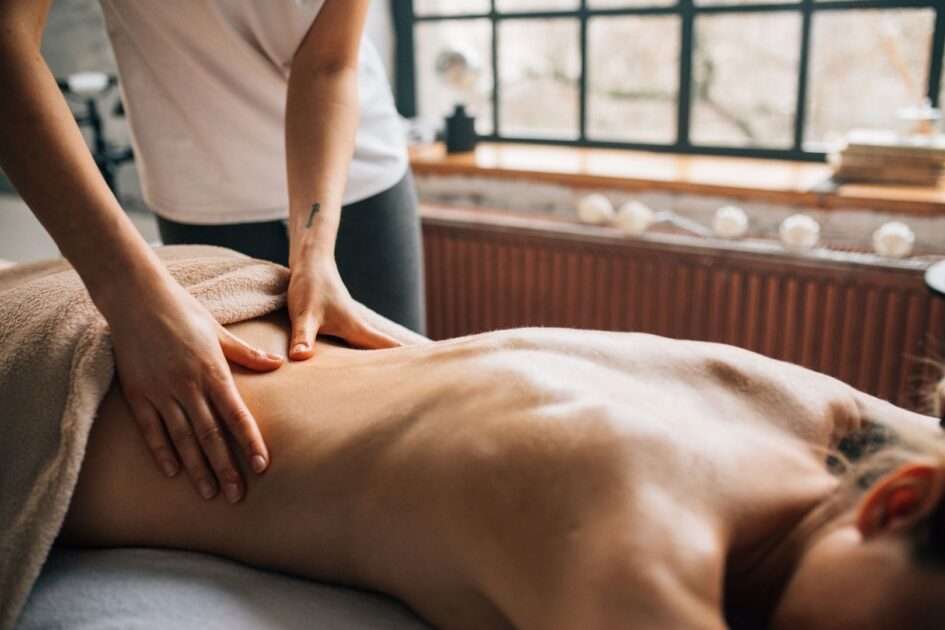
Embracing the Quiet Luxury of a Bespoke Spa Experience
A spa treatment menu is best understood as a starting point, not a fixed prescription. While a menu may group services by purpose, duration, or technique, your body does not arrive in a standard category. You may be carrying tension in the neck and jaw, recovering from exercise, feeling unusually sensitive to sound, or simply needing stillness rather than conversation. A truly restorative appointment leaves room for those details.
Many guests hesitate to express such preferences. They may worry about appearing demanding, interrupting the therapist, or admitting that a treatment feels too intense. Yet gentle ownership of the consultation is not a breach of spa etiquette. It is part of receiving thoughtful care. Whether you are seeking a refined personalised wellness experience or a quiet massage designed around present needs, clear communication allows a standard treatment to become a more considered ritual of self-care.
Navigating the Pre-Treatment Intake with Quiet Confidence
The intake form should be treated as the beginning of a professional dialogue rather than an administrative hurdle. Complete it carefully, then use the consultation to add context. “Lower back pain” is useful, but “a dull ache after sitting at a desk, with no recent injury” gives the practitioner a more meaningful starting point. Mention recent surgery, pregnancy, diagnosed conditions, skin sensitivities, medication, allergies, inflammation, and any area that should not be touched.
Chronic tension and joint sensitivity deserve particularly clear descriptions. Explain whether discomfort is constant or intermittent, whether movement makes it better or worse, and whether pressure has previously helped or aggravated it. If you are returning to treatment after an injury, describe the stage of recovery rather than assuming the therapist will know what is safe. A qualified practitioner may adapt positioning, draping, pressure, duration, or the techniques used, and may recommend medical advice where a spa treatment is not appropriate.
Medical massage therapists are trained to manipulate muscles and soft tissue in relation to particular physical conditions, with goals that can include supporting movement, reducing pain, and aiding function. The Mayo Clinic”s overview of medical massage therapy distinguishes this specialist work from general relaxation massage. A spa therapist is not a substitute for a doctor or physiotherapist, so disclose relevant health information and ask whether the proposed treatment is suitable. Guidance from VA Whole Health on medical massage also emphasises qualified care, individual assessment, and combining hands-on work with appropriate self-care or clinical support.
- Describe the outcome you want, such as relaxation, improved ease of movement, or focused relief.
- Identify areas requiring lighter pressure, complete avoidance, or extra support.
- Share relevant health conditions, medication, allergies, pregnancy, recent procedures, and injuries.
- Ask what adjustments are available before the treatment begins.
Finding Your Therapeutic Cadence Across Pressure and Technique
Therapeutic effectiveness does not require enduring pain. A sensation may be purposeful, especially when working around dense muscular tension, but sharp, burning, numb, or alarming discomfort is a reason to pause. Excessive pressure can make the body brace defensively, which may undermine the relaxed state needed for comfortable treatment. The most useful level is the one that allows the tissue to soften while you continue to breathe naturally.
Use calm, specific language rather than waiting for the therapist to guess. “Could you reduce the pressure slightly?” is clear and courteous. “That area feels tender rather than productively worked” gives helpful information. A simple scale can also be effective: ask to work at around five or six out of ten, then adjust as the session progresses. The ideal level may vary across the body, with the shoulders accepting firmer work while the ribs, abdomen, joints, or recently strained muscles need a gentler approach.
The following comparison can help you match a technique to the experience you want. Availability and terminology vary between spas, so confirm the details during consultation.
| Technique or approach | Often suited to | Useful request |
|---|---|---|
| Light, flowing strokes | Relaxation, heightened sensitivity, and a calming full-body experience | “Please keep the pressure light and unhurried.” |
| Medium-pressure massage | General muscular tension and guests seeking both comfort and focused work | “Please begin moderately and check in before going deeper.” |
| Deeper targeted work | Selected areas of persistent muscular tightness, when medically suitable | “Could we focus on this area without forcing the surrounding tissue?” |
| Lymphatic or drainage-focused techniques | Specific swelling-related or post-treatment needs when appropriately assessed | “Please explain the intended pressure and suitability first.” |
| Energy-based or Reiki-inspired elements | Stillness, light touch, or a session with fewer vigorous movements | “I would prefer light contact or hands held above the body where appropriate.” |
Curating Ambient Elements to Ground Your Nervous System
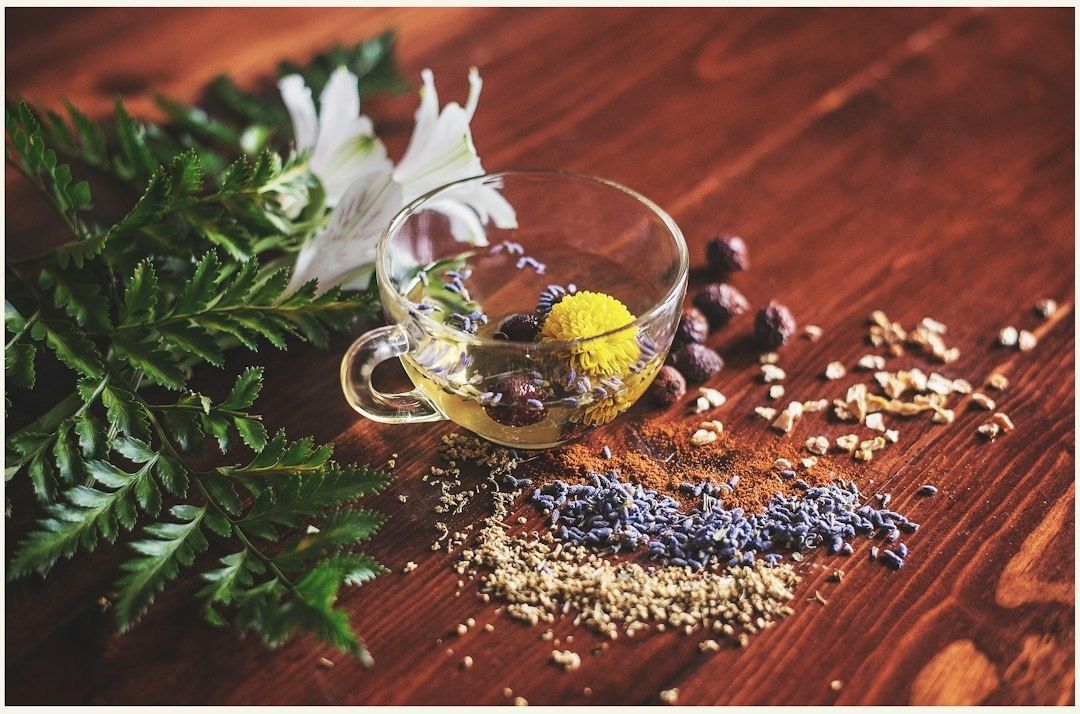
The treatment itself is only one part of the sensory experience. Lighting, temperature, sound, scent, and the pace of the therapist”s movements can influence whether the body settles. Aromatherapy is one possible addition. Essential oils are concentrated substances and should be selected with care, diluted correctly, and discussed in relation to allergies, asthma, migraine triggers, pregnancy, and skin sensitivity. Scent can feel comforting to one guest and overwhelming to another.
A bespoke blend may be oriented towards calm, freshness, or a sense of grounded warmth. Lavender is commonly associated with relaxation, while peppermint and eucalyptus offer fresher aromatic profiles, though individual responses differ and these oils are not suitable for everyone. Some spas, including those offering individually blended aromatherapy oils, use consultation to shape the selection rather than applying a single fragrance to every guest. If scent is not welcome, an unscented carrier oil is a perfectly reasonable request.
Consider the room as part of your treatment plan. Ask for a warmer or cooler table, reduced illumination, a quieter room, or lower background music. If conversation feels tiring, request a silent appointment from the outset, while agreeing that the therapist will still speak when necessary for safety and comfort. Make practical requests before settling under the covers:
- Explain whether you prefer silence, gentle conversation, or occasional check-ins.
- Confirm the preferred room temperature and ask for an extra blanket if needed.
- Discuss scent preferences, sensitivities, and whether an unscented option is available.
- Request dimmer lighting or reduced sound if you are prone to sensory overload.
- Clarify positioning, draping, bolsters, and any area that must remain covered or untouched.
Practical Dialogue for Real-Time Treatment Adjustments
Even a careful consultation cannot predict every response once treatment begins. Your body may reveal that a seemingly suitable pressure is too much, or that the original focus area no longer feels most important. Speaking up early is considerate to both you and the practitioner. Try phrases such as, “Could we move to the upper back now?” or “Please stay with the shoulders and use less pressure around the joint.” These statements are precise, respectful, and easier to act on than a general expression of discomfort.
It is equally valid to ask for a pause, a change of position, more draping, or a moment without conversation. Professional boundaries remain important: the therapist should work within their training, consent should be ongoing, and requests that conflict with safety guidance may need to be declined. The aim is not to direct every movement, but to provide the information that helps the practitioner create a balanced experience.
- “That pressure is a little beyond comfortable. Could you reduce it by two points?”
- “This area feels sensitive today, so please avoid it.”
- “Could we pause for a moment while I adjust my position?”
- “I would like to keep the rest of the appointment quiet, with safety check-ins only.”
- “The original focus feels less relevant now. Could we work on the neck instead?”
Step Onto the Treatment Table Fully Realigned
A personalised spa experience is built through transparent, relaxed communication. The intake consultation identifies the context, the treatment plan translates that context into appropriate technique, and real-time feedback keeps the experience comfortable as your needs change. Pressure, scent, temperature, lighting, conversation, positioning, and focus are all legitimate parts of the conversation.
View the therapist as a collaborative partner in a personal health and wellbeing ritual, while recognising the limits of spa care and the importance of medical advice when a condition requires it. With peaceful intention and a little practical confidence, you can step onto the treatment table knowing that restoration does not depend on tolerating discomfort. It begins with feeling heard, respected, and safely supported.