
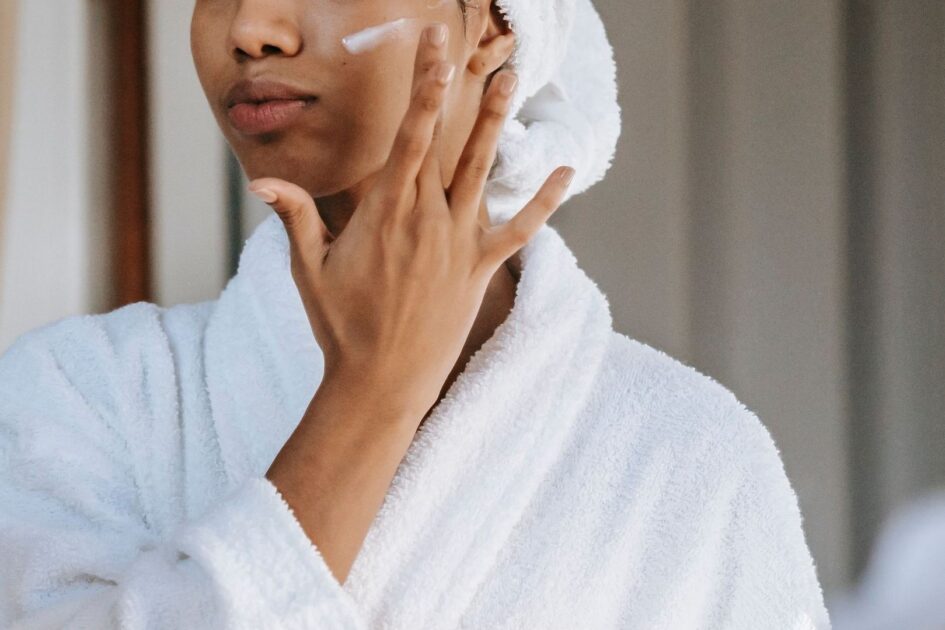
The Contrast Therapy Glow and Its Hidden Moisture Cost
Thermal circuits have become a refined ritual for unwinding: a period of dry sauna heat, perhaps a steam room, followed by a carefully timed cold plunge and a return to warmth. The experience can feel invigorating and restorative. Heat increases sweating and skin blood flow, while cold immersion creates a striking change in sensation and circulation. Yet the glow that follows is not always a sign that the skin is fully comfortable. A flushed face, soft warmth and temporary brightness can sit alongside tightness, roughness or an unexpectedly parched feeling.
The reason is simple but often overlooked. Alternating extremes places the stratum corneum, the outermost layer of the epidermis, under repeated environmental stress. Heat encourages water to evaporate from the skin surface, while cleansing, salt from perspiration and cold, dry air can further disturb surface lipids. The aim after a circuit is therefore not merely to apply any moisturiser, but to rehabilitate the barrier in a deliberate sequence: add water-binding ingredients first, replenish supportive lipids next, then seal the surface so recovery can continue undisturbed.
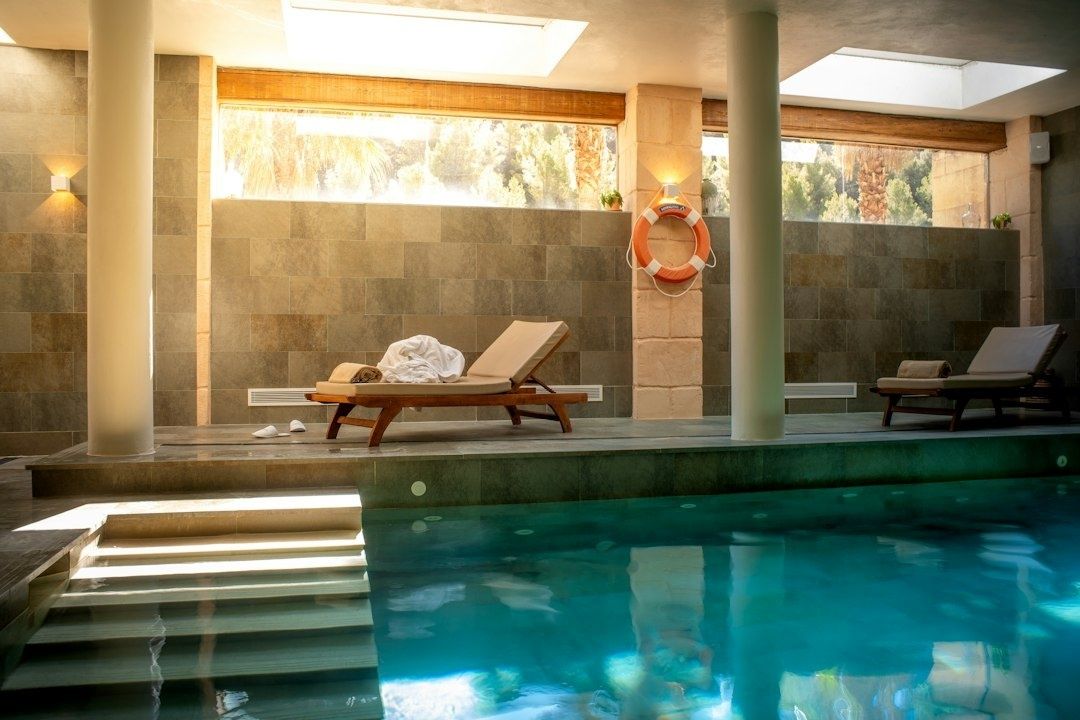
How Extreme Temperature Shifts Disrupt the Stratum Corneum
During a sauna session, the body responds to heat by increasing skin blood flow and sweating. A Finnish-style sauna may involve temperatures of approximately 80 to 100°C with low humidity, while infrared saunas generally operate at lower temperatures. Steam rooms create a different sensation because humidity slows evaporation from the air, although prolonged warmth can still encourage perspiration and leave the skin exposed to repeated washing afterwards. Moving into cold water then causes a rapid change in vascular tone and surface sensation. These responses are normal, but the outer barrier must continually adapt.
The stratum corneum is often described as having a brick-and-mortar structure. Corneocytes act as the bricks, while a mixture of ceramides, cholesterol and fatty acids forms the mortar between them. Natural moisturising factors within the corneocytes help retain water. When heat accelerates evaporation, the skin can lose water more quickly than it can replenish it. Sweat also contains salts and other compounds that may feel irritating when left on the surface, particularly if the barrier is already sensitive. A hot rinse or foaming cleanser immediately afterwards can remove additional oils.
Evidence from clinical barrier research illustrates how quickly transepidermal water loss can rise after disruption. A controlled study of microneedling found that TEWL increased immediately after treatment and remained above baseline during the following observation period, demonstrating why compromised skin requires protection while it recovers. The findings in research on transepidermal water loss concern a procedure rather than sauna bathing, but the underlying lesson is relevant: when the epidermal barrier is disturbed, prompt, gentle care matters.
- Acute dehydration is a temporary reduction in water held within the outer skin layer. It may appear as tightness, fine surface lines, dullness or a slightly crepey texture.
- Chronic dryness is more persistent and is often linked with reduced oil production, a weakened barrier, eczema, ageing or repeated exposure to irritating conditions.
- Barrier vulnerability occurs when surface lipids are stripped or disordered, allowing water to escape more readily and irritants to enter more easily.
A single thermal circuit is unlikely to permanently damage healthy skin, but repeated sessions without considered aftercare may leave sensitive or dry complexions increasingly reactive. Redness that persists, burning, cracking or itch should not be treated as an ordinary sauna glow. These signs warrant a break from extreme exposure and, where necessary, advice from a qualified healthcare professional or dermatologist.
Understanding What Your Skin Loses During the Circuit
Different phases of a circuit affect the skin in different ways. Heat changes circulation and increases perspiration. Steam softens surface oils and may make cleansing feel more effective, but this can encourage over-washing. Cold water does not simply “close pores”, as pores do not open and shut like doors; instead, cold creates temporary vascular constriction and changes how the skin feels. The result is a sequence of water movement, evaporation, emulsification and cooling that a simple facial mist cannot fully address.
Dermatological research into thermal extremes has associated changes in temperature and humidity with altered barrier function, redness, burning and dryness. An evaluation indexed through an authoritative dermatological research source also supports the importance of recognising microcirculatory changes when considering skin responses to environmental stress. The practical implication is reassuring: post-circuit care should address both water content and the lipid structure that helps keep that water in place.
| Skin component or response | What the circuit may influence | What supports recovery |
|---|---|---|
| Water content | Heat and evaporation can create temporary surface dehydration. | Humectants followed by a moisturising cream or balm. |
| Natural moisturising factors | Sweat, cleansing and repeated rinsing may reduce comfortable water retention. | Glycerin, hyaluronic acid, amino acids and gentle, low-irritant formulas. |
| Surface lipids | Heat, steam and surfactants can emulsify or remove some sebum and barrier lipids. | Ceramides, cholesterol, fatty acids, squalane or jojoba-based emollients. |
| Microcirculation | Heat promotes vasodilation; cold produces a rapid contrasting response. | Gradual cooling, minimal rubbing and calming ingredients. |
A light lotion or refreshing mist can feel pleasant, but it may evaporate before the barrier has been properly supported. Humectants draw and hold water, yet they work best when followed by emollients and occlusives. Without that second stage, water can still escape, especially in a warm, dry environment. This is why a layered routine is more suitable than relying on one thin product after a multi-phase thermal experience.
The Step by Step Barrier Restoration Sequence
The most effective routine is calm, simple and consistent. The skin is often warm, flushed and more receptive to products immediately after a circuit, but that does not mean it needs a crowded shelf of active ingredients. It needs a gentle reset, comfortable hydration and a protective finish. Apply products with clean hands and press rather than rub if the face feels tender.
- Cool down with lukewarm water. Allow the body to settle before cleansing. Use a tepid shower rather than very hot water, and rinse away sweat, salts and pool or plunge residues. A non-stripping milky, cream or oil-to-milk cleanser is usually preferable to a strongly foaming wash. Cleanse only where needed, particularly if the skin feels dry.
- Drench the surface with humectants. Apply a hydrating serum or essence to slightly damp skin. Glycerin is a reliable water-binding ingredient, while multi-weight hyaluronic acid can support hydration at different levels of the outer epidermis. Panthenol and simple amino acids may also be comfortable choices for skin that feels tight. Avoid misting and leaving the skin to air-dry completely, as this can feel more drying in a low-humidity room.
- Replenish physiological lipids. Follow hydration with a cream containing ceramides, cholesterol and fatty acids, where tolerated. These ingredients help reinforce the lipid matrix rather than merely creating a temporary slippery feel. For the body, apply generously to areas that commonly become rough, such as the shins, elbows, shoulders and hands.
- Seal in the recovery hydration. Finish with an occlusive balm or a comforting lipid-rich face oil. Squalane, jojoba oil and carefully formulated balms can reduce the rate of water loss and leave the surface supple. A thin layer is often sufficient; more is not necessarily better, particularly for acne-prone skin.
If the routine takes place during daylight, broad-spectrum SPF 30 or higher remains important once the skin has settled. Thermal flushing does not protect against ultraviolet exposure, and a barrier-focused routine should still include sun protection when appropriate. Hydration from within is also sensible, especially after substantial sweating, although drinking excessive quantities rapidly is not necessary. Water and, after prolonged sweating, a suitable electrolyte drink can support general recovery.
Calming Botanicals and Nutrient Rich Lipids for Thermal Recovery
Calming ingredients can make the post-circuit ritual feel more restorative while helping reduce the sensation of heat and tightness. Colloidal oatmeal is particularly worth considering for dry or reactive skin because it can provide emollient and soothing benefits. The National Eczema Association guidance on colloidal oatmeal notes its potential to support hydration and relieve irritation, while also recognising that individual sensitivity varies. Patch testing is sensible if oat products are unfamiliar or if the skin has a history of allergy.
Bisabolol, derived from chamomile or produced synthetically, is another gentle option often used in calming formulations. Ectoin, a protective molecule used in some modern skincare, can help support the skin”s response to environmental stress by contributing to hydration and comfort. These ingredients are not substitutes for lipid repair, but they can complement it. Persistent redness should be approached carefully, since a flushed appearance may reflect normal heat-related vasodilation, sensitivity, rosacea or irritation rather than a problem that should be covered with increasingly active products.
- Squalane has a lightweight, smooth texture and resembles components naturally associated with skin surface lipids.
- Jojoba is technically a liquid wax ester and can provide a comfortable, sebum-like emollience without feeling excessively heavy for many users.
- Tallow is rich in fatty components and may feel deeply nourishing, although formulation quality, sourcing, fragrance and individual tolerance should all be considered.
- Shea butter can be useful for very dry body areas, particularly when applied over damp skin and used as part of a broader barrier routine.
Several common habits can undo this careful work. Avoid scrubs, strong acids, peeling solutions and immediate retinoid application after a sauna and cold plunge session. Harsh synthetic fragrance, menthol and high concentrations of essential oils may create a cooling or refreshing sensation, but that sensation is not the same as barrier comfort and can be irritating for reactive skin. Delay exfoliation until the skin feels fully settled, and keep it occasional rather than automatic. If burning, swelling or marked redness persists, stop active products and seek professional advice.
Elevate Your Post Circuit Ritual for Lasting Radiance
Thermal wellness works best when the skin is treated as part of the whole experience, not as an afterthought. Heat, steam and cold can provide an enlivening rhythm, but the outer barrier benefits from a quieter sequence afterwards: a lukewarm rinse, a gentle cleanse, water-binding hydration, replenishing lipids and a protective seal. This approach respects the difference between a temporary glow and genuinely comfortable, resilient skin.
Make lipid sealing an indispensable part of every circuit, whether that means a ceramide cream for the face, a rich body balm for dry limbs or a few drops of a well-tolerated oil pressed over moisturiser. With consistency, the post-sauna ritual becomes more than a cosmetic finishing touch. It becomes a calm act of protection that helps transform short-lived heat flushes into a supple, balanced and healthy-looking luminosity.