
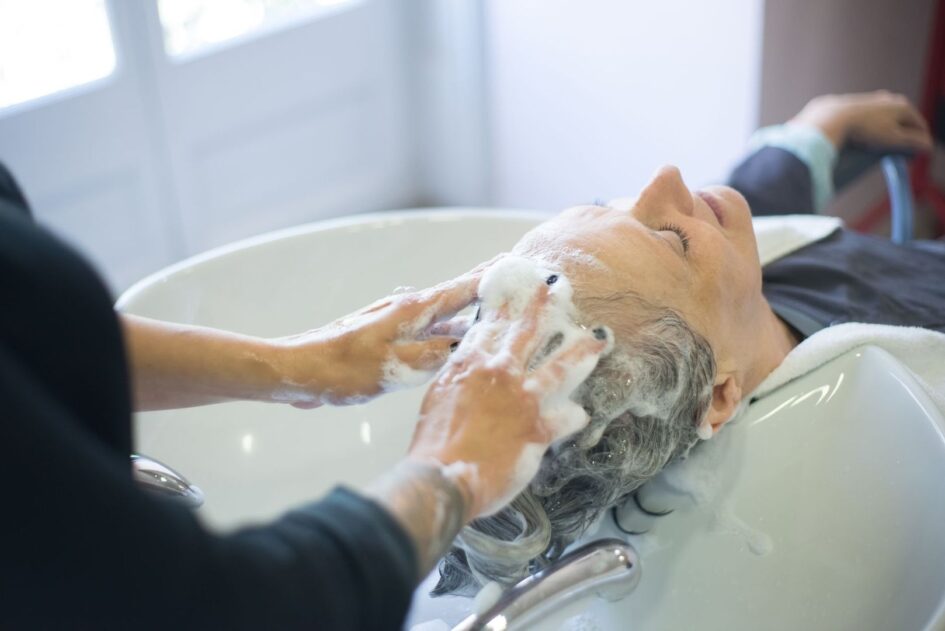
The Quiet Power of Unwinding Cranial Tension
Modern mental fatigue often settles into the body before it becomes fully conscious. Hours spent looking at a screen can draw the head forwards, narrow the eyes, tighten the jaw and leave the temples, scalp and upper neck subtly braced. Add deadlines, poor sleep and constant notifications, and the body may begin to treat concentration as a state of ongoing vigilance. By evening, the shoulders may have lowered, yet the muscles around the head are still working.
A considered scalp massage offers more than a moment of superficial indulgence. Slow, reassuring touch can interrupt habitual bracing and give the nervous system a different set of sensory messages to process. It is not accurate to describe a home massage as a guaranteed neurological reset, nor should it replace medical care, but it can become a valuable part of a calming evening routine. Understanding the relationship between the scalp, neck, cranial nerves and autonomic nervous system helps transform a simple beauty ritual into a more mindful practice of unwinding.
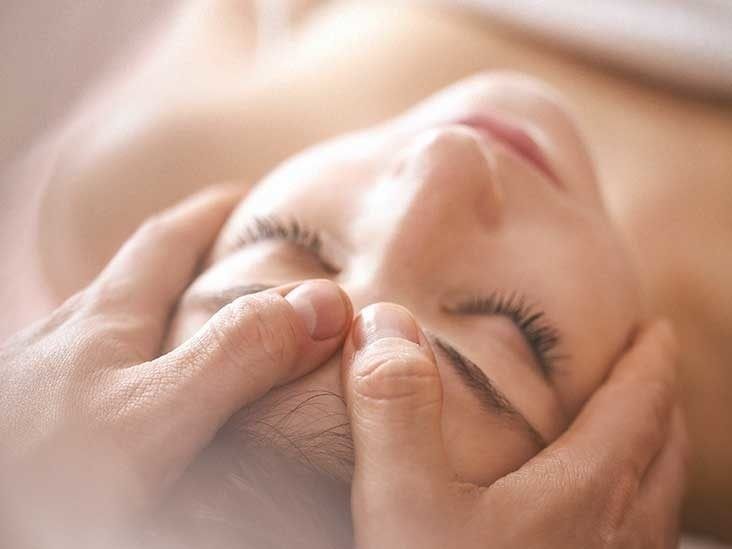
The Suboccipital Gateway and the Vagus Nerve
The suboccipital muscles sit beneath the back of the skull, close to the upper cervical spine. They help coordinate the head and neck, particularly when the eyes are fixed on a screen or the chin drifts forwards. Because they are involved in fine postural control, they can remain active for long periods without producing obvious discomfort. Their tension may be felt as pressure at the base of the skull, restricted neck movement, a dull headache or a persistent sense that the head is being held rather than supported.
Gentle work around this area may reduce the mechanical load carried by surrounding muscles and connective tissue. It does not literally stretch or manipulate the vagus nerve, and nerves should never be forcefully pulled. Instead, soft contact can help the neck feel safer and less guarded, while slower breathing and a quiet environment reinforce the same message. The vagus nerve is involved in many parasympathetic functions, but a simple scalp massage should be understood as supportive relaxation rather than a direct treatment for vagal dysfunction.
Cranial nerve pathways are also relevant because the head and face contain a dense network of sensory structures. The trigeminal nerve, for example, carries sensation from much of the face and scalp, and heightened sensitivity in these pathways can contribute to pain and protective muscle activity. The NHS overview of Trigeminal neuralgia treatment illustrates how carefully such pathways must be considered. This is one reason a refined ritual should feel soothing, never sharp, forceful or painful.
- Keep pressure broad and light, using the pads of the fingers rather than the nails.
- Work around the tissues beside the spine instead of pressing directly into the vertebrae.
- Pause if dizziness, nausea, tingling, sharp pain or visual disturbance appears.
- Seek professional advice for new, severe or persistent headaches, neurological symptoms or unexplained neck pain.
How Cranial Release Calms the Sympathetic Surge
The sympathetic nervous system is essential for alertness and action, but prolonged activation can leave the body feeling unable to settle. Facial muscles may contract, the jaw may clench and the scalp may feel tight across the forehead or crown. Cortisol is part of the body”s normal stress response, and it follows a complex daily rhythm rather than simply rising whenever a person feels tense. Still, chronic stress, insufficient sleep and repeated arousal can make relaxation more difficult and disturb the conditions needed for restorative rest.
Slow tactile input across the galea aponeurotica, the tough connective tissue over the skull, and the temporalis muscles at the sides of the head can provide a clear change in sensory information. Gentle pressure, warmth and rhythmic repetition may help the brain interpret the environment as less demanding. The hypothalamus coordinates many stress and hormonal responses, but touch does not send a simple command to switch cortisol off. A more accurate description is that calming sensory input can support down-regulation when combined with comfortable breathing, reduced light and a predictable bedtime routine.
Research into massage and other somatic interventions has examined markers such as heart rate, blood pressure, perceived stress and autonomic balance. The PubMed Central record linked in the clinical literature can be accessed through this research database record, although readers should check the full paper and its methods rather than relying on a browser preview or a single result. Evidence for massage is promising in several areas, but effects vary according to technique, duration, personal health and the quality of the research.
| During an active stress response | After a calming scalp ritual |
|---|---|
| Breathing may become shallow or quick. | Breathing may naturally become slower and more comfortable. |
| The jaw, brow, temples and neck may remain braced. | Muscles may feel warmer, softer and less effortful. |
| Attention stays directed towards demands and potential problems. | Repetitive touch can make attention feel more anchored in the present. |
| Sleep may be delayed by continued alertness. | A quieter pre-bed environment may make the transition to sleep easier. |
The Soporific Alchemy of Warm Botanical Oils
Warm oil changes the experience of scalp care through several simple sensory channels. A comfortably heated blend glides more easily, reducing drag on the hair and skin while creating a feeling of enclosure and warmth. That thermal comfort can be especially appealing after a cool day or a long period in artificial light. The oil itself does not possess a guaranteed sedative action, but the combination of warmth, slower movement and uninterrupted attention can reduce sensory overload.
Jojoba oil is a light, wax-like emollient that many people find comfortable on the scalp, while sesame oil has a richer texture and is traditionally used in warming body-care rituals. Botanical infusions may add fragrance, but essential oils require particular care. They should be properly diluted, kept away from the eyes and avoided when there is a known allergy, irritated skin or a sensitivity to fragrance. Patch testing is sensible, especially when trying a new product. A nourishing oil can support a pleasant tactile experience, yet it cannot treat a scalp condition that needs medical assessment.
Rhythm is often more important than intensity. Small circles and long, unhurried strokes provide consistent stimulation to peripheral nerve endings without creating a sense of demand. The movement may also encourage comfortable local circulation, although claims that massage dramatically improves cerebral circulation should be treated cautiously. The principal benefit is usually the combined effect of touch, breath, warmth and focused attention.
- Choose an oil suited to the scalp, hair texture and any known sensitivities.
- Warm a small amount between the palms or place the container in warm water; never use hot oil.
- Use fragrance-free products if scent feels stimulating rather than calming.
- Protect bedding with a towel and cleanse the scalp afterwards if it feels heavy or congested.
A Step-by-Step Evening Scalp Ritual for Deeper Sleep
The ritual works best when it is brief enough to repeat. Ten to fifteen minutes can be sufficient, particularly when the aim is consistency rather than an elaborate treatment. Sit or lie in a supported position, dim the lights and keep the phone out of reach. If oil is not suitable for the hair or scalp, the same sequence can be performed over dry hair with clean hands.
- Warm the blend and settle the breath. Place a small amount of oil between the palms until it reaches a comfortably warm, near-body temperature. Before touching the scalp, take four or five easy breaths, allowing the exhalation to lengthen without forcing it. Notice the support beneath the body.
- Begin at the forehead and temples. Rest the fingers at the frontal scalp and make tiny circles, moving gradually towards the hairline and temples. Keep the pressure light enough for the skin to move comfortably. Around the temporalis, slow circles can be paired with an unclenched jaw and relaxed tongue.
- Cradle the base of the skull. Place the fingertips in the soft tissue beneath the occipital ridge, not directly on the spine. Let the head rest into the hands rather than pulling it backwards. Small rocking movements or still, gentle contact may help the suboccipital area feel supported. Stop immediately if symptoms become sharp, intense or unusual.
- Finish with downward neck strokes. Glide from beneath the ears towards the sides of the neck and upper shoulders, using very little pressure. Keep the front of the throat free from compression. End with both hands resting quietly, then move directly into bed or another low-stimulation activity.
Restore Your Natural Rhythms Tonight
Scalp care can form an accessible bridge between somatic mindfulness and evening beauty. It gives busy minds a physical point of focus and offers the body a sequence that is familiar, gentle and easy to repeat. The most useful ingredients are not extravagant products, but comfort, consistency, unhurried touch and an environment that supports sleep.
Releasing tension around the head and neck may help soften the physical signs of vigilance and make it easier to transition from a demanding day into rest. It does not reset the entire nervous system in a single session, and it cannot correct every cause of insomnia, pain or anxiety. Used thoughtfully, however, mindful cranial massage can become a graceful nightly cue: the day is complete, the jaw can release and the body is allowed to return to its natural rhythms.