
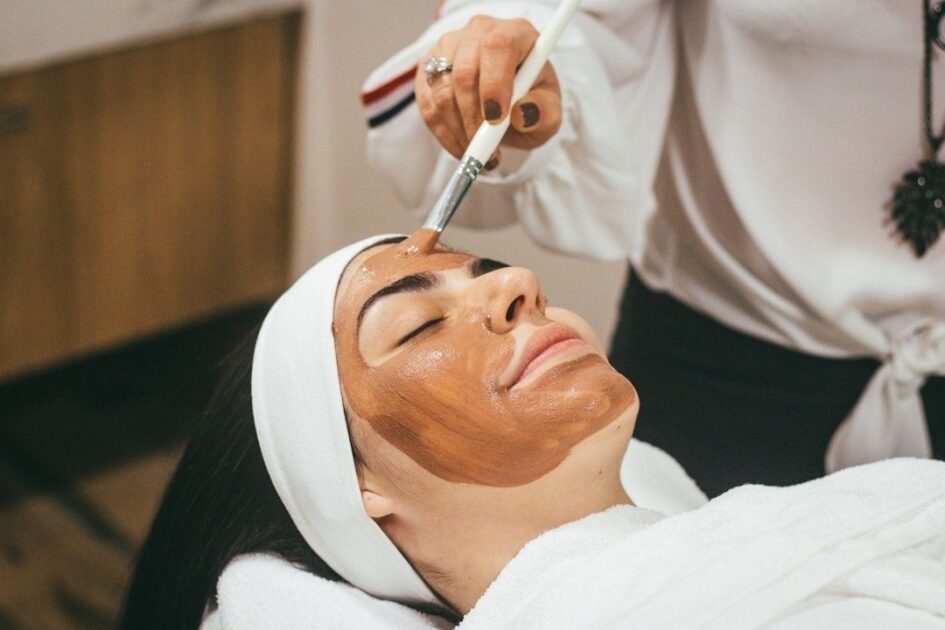
Redefining Exfoliation for Reactive Skin
The word “peel” can be unsettling when your complexion is delicate, reactive, or prone to rosacea. Traditional images of chemical resurfacing often involve visible flaking, tightness, pronounced redness, and several days of careful recovery. For skin that already stings after cleansing or reacts to changes in temperature, that prospect can feel less like self-care and more like a challenge to the skin barrier.
Modern facial renewal offers a calmer alternative. Instead of aggressively stripping the surface, carefully formulated polyhydroxy acids and botanical enzymes support a measured process of cellular renewal. A well-chosen treatment can lift dull surface cells, soften uneven texture, and encourage a fresh-looking glow while preserving the comfort and resilience that sensitive skin needs. For those exploring a gentle facial peel treatment, the aim should be quiet improvement rather than dramatic trauma: smoother skin, a more even appearance, and a barrier that still feels settled afterwards.
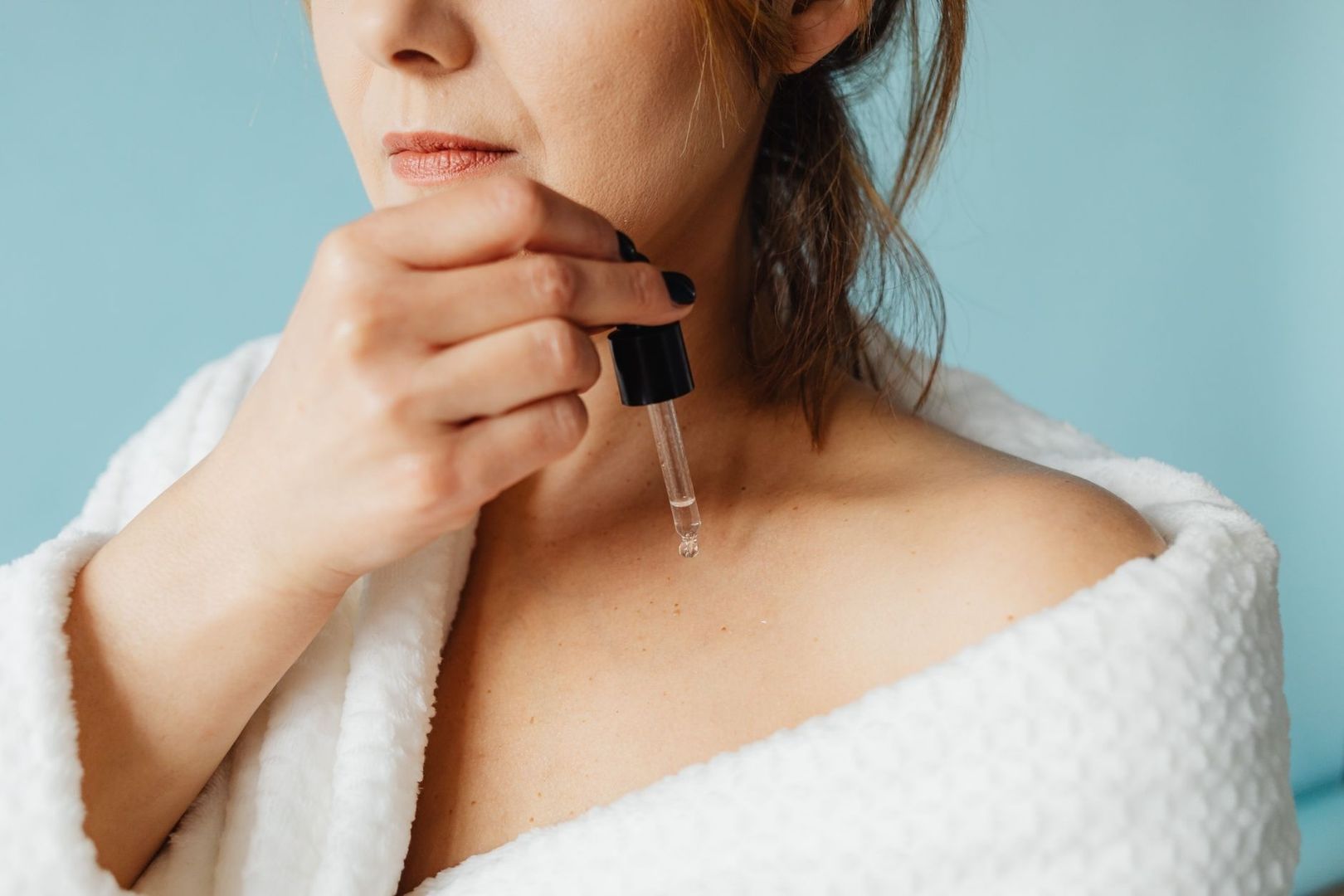
The Anatomy of Delicate Skin Barriers
The outermost layer of the skin, known as the stratum corneum, acts as a finely organised protective structure. It is often described as resembling bricks and mortar: flattened skin cells provide the “bricks”, while lipids such as ceramides, cholesterol, and fatty acids form the surrounding “mortar”. Together, these elements help retain water and limit the entry of irritants, pollutants, and microorganisms.
When this arrangement is weakened, substances that would normally remain on the surface may reach more sensitive nerve endings. The result can be stinging, burning, dryness, persistent redness, or a tight sensation after washing. Research examining recovery after complete surface-layer removal demonstrates how important this protective structure is, although animal findings cannot be directly translated into a home treatment timetable. The study, available through the National Library of Medicine, also underlines that barrier recovery is a biological process, not something to rush.
Small-molecule acids, particularly stronger formulations of glycolic or salicylic acid, can move more readily through the surface and may produce a more noticeable exfoliating effect. That can be useful for selected skin concerns, but it also increases the need for careful concentration, timing, and professional judgement. Sensitive skin benefits from a more considered approach that respects its lipid content and avoids unnecessary friction.
- Signs of a compromised barrier: burning when applying normally comfortable products, sudden flaking, increased sensitivity, rough patches, or redness that lingers.
- Signs of ordinary cellular turnover: mild surface dullness, a little uneven texture, or visible dryness without persistent discomfort.
- Reasons to pause exfoliation: active rosacea flare, sunburn, open areas, broken skin, severe peeling, or recent procedures that have not fully healed.
Polyhydroxy Acids and The Power of Large Molecules
Polyhydroxy acids, commonly called PHAs, are often considered a gentler second generation of exfoliating acids. The best-known examples include gluconolactone, lactobionic acid, and maltobionic acid. Like other exfoliants, they help loosen and remove some of the bonds holding dull surface cells together. Their appeal lies in the way they perform this work gradually, without demanding the same degree of penetration associated with more intense resurfacing acids.
Molecular size is central to their tolerability. PHAs have larger molecules than many traditional alpha hydroxy acids, so they tend to remain closer to the skin”s surface and move more slowly. This can help reduce the abrupt sensation of heat or sting that some reactive complexions experience with stronger acids. Dermatologists interviewed by Allure explain PHA benefits in terms of surface exfoliation, humectant activity, and suitability for people who find conventional acids difficult to tolerate.
PHAs are also valued for their ability to attract water. Gluconolactone, for example, can function as a humectant, drawing moisture towards the skin rather than leaving the surface feeling stripped. Lactobionic acid is another bionic acid used in formulas designed to combine refinement with hydration support. This does not make every PHA product suitable for every person, and a higher concentration can still irritate compromised skin, but the ingredient family offers a more forgiving foundation for gradual renewal.
- Gluconolactone: a water-attracting PHA commonly used for gentle exfoliation and a smoother, fresher appearance.
- Lactobionic acid: a larger bionic acid associated with mild surface refinement and moisture support.
- Maltobionic acid: another bionic acid used in formulations seeking a balanced exfoliating and conditioning effect.
- Best approach for sensitivity: begin with a low-strength product, use it infrequently, and introduce no other new active at the same time.
Botanical Enzymes for Biocompatible Smoothing
Botanical enzyme peels use naturally derived proteolytic enzymes to soften and digest proteins found in dead surface cells. Papain, sourced from papaya, and bromelain, sourced from pineapple, are familiar examples. Pumpkin extracts may contain a blend of naturally occurring enzymes and supportive nutrients, depending on the formula and how the ingredient has been processed.
The mechanism is different from that of an acid. Rather than primarily loosening the bonds between surface cells through acidity, enzymes help break down keratin proteins in cells that are already at the end of their life cycle. They are intended to act on the surface, where dead material can be lifted away, while leaving living tissue untouched when the product is properly formulated and used as directed. The precise result depends on enzyme strength, pH, contact time, skin condition, and the presence of other active ingredients.
| Approach | Primary action | Typical tolerance and use |
|---|---|---|
| PHA peel | Gradual surface exfoliation with humectant support | Often suitable for dry or sensitive complexions when introduced slowly |
| Fruit enzyme peel | Breakdown of proteins in dead surface cells | Usually gentle and low downtime, though plant ingredients can still trigger allergy or irritation |
| Stronger AHA or BHA peel | More pronounced chemical exfoliation with deeper surface activity | May benefit selected concerns but carries greater risk of stinging, peeling, and post-treatment sensitivity |
| Professional medium or deep peel | Controlled resurfacing beyond a simple cosmetic refresh | Requires qualified assessment, precise application, and structured aftercare |
Enzyme treatments are often a good option when the main concern is lacklustre tone, mild roughness, or a desire for a soft, polished finish without visible downtime. They are not a substitute for every professional peel. Deeper pigmentation, pronounced scarring, or established lines may require a different treatment plan, and reactive skin should be assessed before any intensive procedure. Botanical does not automatically mean risk-free, particularly for those with known sensitivities to fruit extracts, fragrance, or essential oils.
Designing a Calming At-Home Renewal Ritual
The safest home treatment begins before the peel reaches the skin. A complexion should be calm, intact, and close to its usual baseline. Avoid exfoliating over sunburn, grazes, active irritation, or a current rosacea flare. It is also important to review the rest of the routine. Retinoids, retinol, benzoyl peroxide, prescription treatments, and other exfoliating acids can increase sensitivity, so the American Academy of Dermatology guidance recommends considering current products and medicines before exfoliating.
A patch test is sensible, particularly when a formula contains fruit enzymes, fragrance, or several active ingredients. Apply a small amount to an inconspicuous area according to the manufacturer”s directions and observe the skin over the following day. A slight feeling of freshness is very different from intense burning, swelling, itching, or redness that does not settle. If rosacea is part of your skin history, remember that the National Rosacea Society”s Seal of Acceptance information makes clear that individual reactions can still vary, even when a product has been reviewed for generally unsuitable ingredients.
- Keep the preparation simple. Cleanse with a mild, non-abrasive product and pat the skin dry. Do not scrub beforehand, as added friction can undermine the comfort of the treatment.
- Apply a thin, even layer. Follow the product instructions precisely, avoiding the eyelids, corners of the nose, lips, and any broken or inflamed areas.
- Use comfort as the guide. Mild tingling may occur with some formulas, but strong burning, pain, itching, or rapidly increasing heat is a reason to remove the product immediately.
- Respect the timing. Never extend the contact time to chase a faster result. Sensitive skin usually responds better to modest, repeated care than to a single intense session.
- Rinse with lukewarm water. Hot water can intensify flushing, while cold water may feel harsh on an already reactive surface. Rinse thoroughly without rubbing.
- Restore the lipid layer. Apply a comforting moisturiser containing barrier-supportive ingredients such as ceramides. Squalane can add lightweight nourishment, provided it is already known to suit your skin.
- Protect the renewed surface. Use a broad-spectrum sunscreen during the day and limit direct sun exposure. Even gentle exfoliation should be followed by diligent protection, especially when treating uneven tone.
Afterwards, keep the routine deliberately quiet for at least the next day or two, depending on how the skin feels and what the product instructions advise. Skip scrubs, brushes, strong acids, retinoids, and fragranced treatments until the complexion feels fully comfortable. If redness persists, swelling develops, or the skin becomes painful, stop the product and seek advice from a GP, pharmacist, dermatologist, or qualified skin professional.
Embrace Radiance with Quiet Skin Confidence
Advanced exfoliation no longer needs to be synonymous with aggressive resurfacing. PHAs and carefully selected botanical enzymes provide a more measured route to brightness, helping remove dull surface cells while supporting hydration and a calmer sensory experience. Their gentler profile is particularly appealing to sensitive, dry, delicate, or rosacea-prone complexions, although suitability always depends on the individual formula and the current condition of the skin.
Radiant texture can be achieved without making redness the price of progress. Choose biocompatible ingredients, introduce them slowly, and let comfort guide the pace. Skin that feels settled, supple, and resilient is a better measure of success than dramatic peeling. With thoughtful preparation, nourishing aftercare, and consistent sun protection, renewal becomes less of an event and more of a calm, sustainable ritual that leaves the complexion looking refreshed and feeling quietly well cared for.