
Understanding Fluid Retention Beyond the Detox Myth
A heavy, sluggish feeling in the legs, mild facial puffiness after sleep, or rings that feel tighter by evening can all be familiar signs of temporary fluid shift. These sensations are often influenced by long periods of sitting, warm weather, hormonal changes, salty meals, travel, or simply the rhythm of an active day. They are not automatically a sign that the body is full of unnamed “toxins” or in need of an aggressive detox.
Fluid balance is a precise biological process. Blood vessels continually allow small amounts of fluid to move into the spaces between cells, while the lymphatic network collects much of that excess and returns it to the circulation. Everyday lifestyle stagnation is different from medical swelling, such as lymphoedema, venous disease, infection, or swelling linked to heart or kidney conditions. With that distinction in mind, carefully chosen spa rituals can offer a calm way to support circulation, using gentle manual touch, thermal contrast, movement and mindful mechanical stimulation rather than exaggerated promises.
The Silent Pump Within Your Body
The lymphatic system is an extensive network of vessels, nodes and specialised tissues that supports immune surveillance, absorbs certain fats and helps maintain the fluid environment around cells. Unlike the cardiovascular system, it has no single central pump comparable to the heart. Lymph therefore relies on a combination of skeletal muscle contractions, breathing movements, changes in pressure within surrounding tissues and the intrinsic contractions of lymphatic vessels.
At the smallest level, excess interstitial fluid enters initial lymphatic vessels through delicate, overlapping endothelial junctions. When pressure outside the vessel rises, these junctions can open, allowing fluid and larger molecules such as proteins to enter. As pressure changes, the junctions close and the fluid is directed towards collecting vessels, lymph nodes and eventually the bloodstream. This movement is subtle, directional and dependent on gradients rather than forceful manipulation.
Prolonged sitting, restricted movement, shallow breathing, tight clothing and stress can all reduce the muscular and respiratory assistance that supports this process. External therapies cannot replace the body”s own physiology, but they may provide a helpful nudge. The explanation offered by Cleveland Clinic”s lymphatic drainage guidance makes clear why gentle movement, breathing and light touch are more appropriate than heavy pressure when the aim is to encourage lymph flow.
- Movement: Walking, swimming, stretching and gentle resistance exercise activate the muscle pump.
- Breathing: Slow diaphragmatic breathing changes pressure within the chest and abdomen, supporting major lymphatic pathways.
- Manual stimulation: Light, directional skin stretching may assist fluid movement towards functioning vessels and nodes.
- Elevation: Raising a limb can use gravity to support venous and lymphatic return.
This is why a refined spa approach is best understood as supportive body care. It encourages natural fluid dynamics and relaxation, rather than claiming to flush out harmful substances through a single treatment.
Manual Lymphatic Drainage as Precision Tactile Science
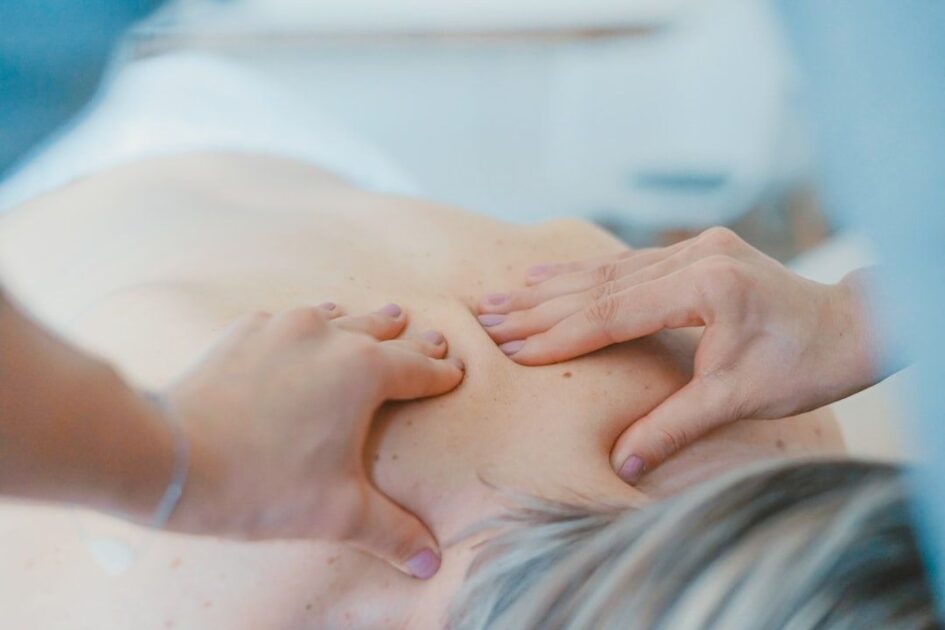
Manual lymphatic drainage, commonly shortened to MLD, is a specialised technique using slow, rhythmic and directional stretches of the skin. The touch is deliberately light because lymphatic capillaries lie close to the surface. A trained practitioner may begin by gently preparing areas around the neck, chest, armpits or groin before guiding fluid from areas of congestion towards functioning drainage routes.
This feels very different from deep tissue massage. Deep massage works into muscle and connective tissue with the intention of relieving muscular tension. MLD focuses on the skin and superficial tissues, using a quiet sequence that follows the anatomy of lymphatic drainage. The treatment should feel soothing rather than painful, bruising or intensely stimulating. A good practitioner will explain the plan, ask about medical history and adjust the treatment to comfort and suitability.
| Area addressed | Typical therapeutic focus | What you may notice |
|---|---|---|
| Neck and upper chest | Preparing central drainage pathways | A sense of relaxed breathing and gentle release |
| Face and jawline | Encouraging superficial fluid movement | Temporary reduction in morning puffiness |
| Arms and hands | Guiding fluid towards functioning nodes | Less tightness around sleeves, watches or rings |
| Legs and ankles | Supporting movement from dependent areas | A lighter feeling after prolonged standing or travel |
For people with a healthy lymphatic system, the most reliable benefits may be relaxation, comfort and a temporary redistribution of superficial fluid. MLD is not a weight-loss treatment and should not be presented as one. Its strongest medical role is in managing lymphoedema and related swelling under appropriate professional guidance. Information from Cedars-Sinai on MLD notes that people with suspected lymphatic impairment should seek medical advice and that those with lymphoedema should work with a suitably trained therapist.
Professional assessment matters if swelling is persistent, one-sided, painful, hot, rapidly worsening or accompanied by breathlessness. MLD may be unsuitable for some people with heart conditions, kidney problems, active infection, blood clots or cancer in the treatment area. A spa treatment should complement, never replace, prescribed compression, exercise or specialist lymphoedema care.
Hydrotherapy and Thermal Contrast for Vascular Tone
Water creates two useful forms of stimulation: temperature and pressure. Warm water encourages vasodilation, allowing blood vessels near the skin to widen and increasing the sensation of warmth and flow. Cooler water produces vasoconstriction and may reduce local discomfort or the perception of heaviness. These responses are part of normal vascular regulation, although they do not prove that contrast bathing treats lymphoedema.
Immersion adds hydrostatic pressure, which is greatest at the deepest point of the body. This gentle, even pressure can support venous return and may help move fluid from the limbs towards the central circulation. A review in the National Library of Medicine describes thermal, mechanical and buoyancy-related effects of water immersion, while also stressing that differences between study protocols make firm conclusions difficult. A separate review of contrast hydrotherapy describes the approach as biologically plausible for lymphatic support, but not yet an established treatment for lymphoedema.
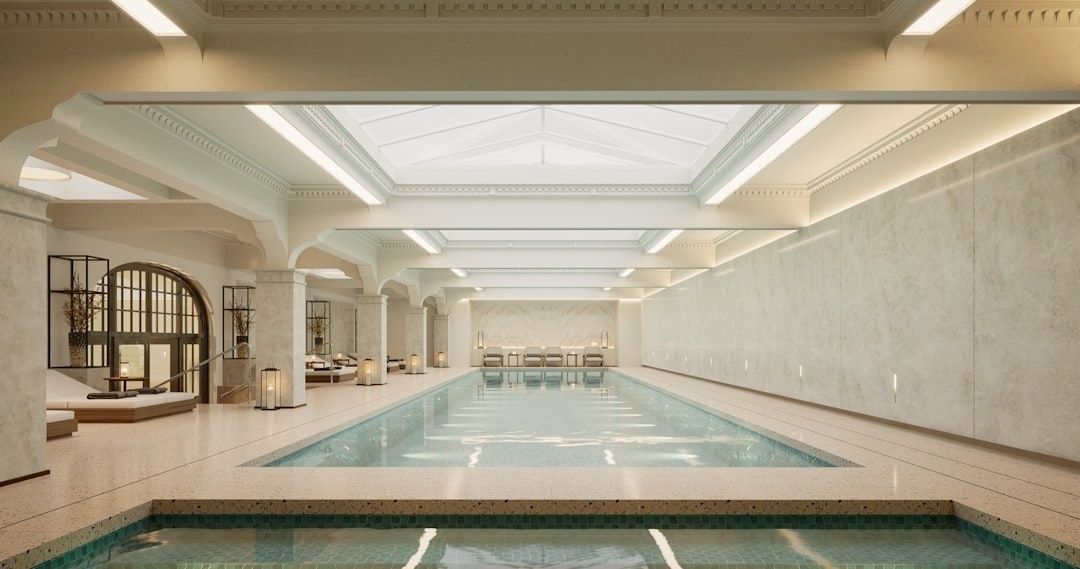
For healthy adults, a retreat or spa may offer a carefully moderated sequence, provided there are no medical contraindications. The experience should be restorative, never a test of endurance. Rapid transitions from intense heat to very cold water can place considerable demands on the cardiovascular system, particularly after a sauna.
- Begin with five to ten minutes in comfortably warm water, approximately 37 to 40°C.
- Move to a brief cool rinse or immersion for 15 to 30 seconds, avoiding extreme temperatures.
- Return to warm water for three to five minutes while allowing breathing and heart rate to settle.
- Repeat the sequence once or twice, ending at a temperature that feels comfortable rather than dramatic.
- Rest, drink water according to thirst and leave the thermal area if dizziness, chest discomfort, nausea or unusual breathlessness develops.
Anyone who is pregnant, has cardiovascular disease, uncontrolled blood pressure, circulation problems, diabetes-related nerve impairment or another significant medical condition should ask a clinician before using strong thermal contrast. The goal is vascular vitality and relaxation, not accelerated “detoxification”.
Elevating the Daily Rhythm with Mindful Dry Brushing
Dry brushing, also known as gharshana in Ayurvedic tradition, involves brushing dry skin with a natural-fibre brush. In contemporary skincare terms, its clearest benefit is mechanical exfoliation. The bristles lift loose surface cells, helping the skin feel smoother and temporarily appear brighter. The brisk sensation may also feel invigorating and can encourage superficial circulation.
Claims that dry brushing removes toxins, eliminates cellulite or produces meaningful weight loss are not supported by strong evidence. Any short-term change in the appearance of cellulite is more likely to reflect temporary skin plumping or increased circulation than a structural transformation. Dermatology guidance from the Cleveland Clinic supports a measured view: exfoliation is credible, while broader detox and cellulite claims remain unproven.
- Choose a clean, natural-bristled brush with a comfortable handle. A long handle can make the back and legs easier to reach without twisting.
- Brush before showering, beginning at the feet and ankles. Use long, gentle strokes upwards towards the body, with lighter pressure around the knees and inner thighs.
- On the torso and back, use soft circular motions. Keep the rhythm calm and avoid repeatedly brushing one patch of skin.
- Limit the session to a few minutes. The skin should feel stimulated, not sore, hot or scratched.
- Shower afterwards to remove loosened skin cells, pat dry and apply a nourishing moisturiser to support the skin barrier.
Avoid brushing broken, infected, inflamed, sunburned or irritated skin, as well as eczema flares, psoriasis plaques, moles, warts and raised bumps. The face is generally too delicate for a body brush. If skin is sensitive, a soft dry washcloth offers a gentler alternative. Brushes should be cleaned regularly, dried thoroughly and never shared.
For fluid support, dry brushing should remain a modest ritual rather than a substitute for movement or clinical care. Its upward pattern is consistent with the direction often used in gentle lymphatic self-massage, but the evidence for a meaningful lymphatic effect from brushing alone is limited. Pairing it with walking, calm breathing and adequate rest creates a more grounded daily rhythm.
Cultivate Lasting Lightness Through Intentional Body Care
Manual lymphatic drainage, hydrotherapy and dry brushing each work through different pathways. Gentle manual touch provides precise, directional stimulation. Water immersion combines thermal responses with hydrostatic pressure. Dry brushing offers exfoliation and a brief sense of surface-level activation. Together, used thoughtfully, they can form a serene body-care ritual that supports comfort, relaxation and awareness of how movement affects fluid balance.
The most trustworthy approach is to value the body”s existing systems rather than rely on marketing language about detoxes or instant transformation. Regular walking, full breaths, sensible hydration, restorative sleep and professional advice when swelling persists remain the foundations. Spa therapies can then become a considered addition, helping you feel refreshed and cared for while respecting the complexity of lymphatic health.